
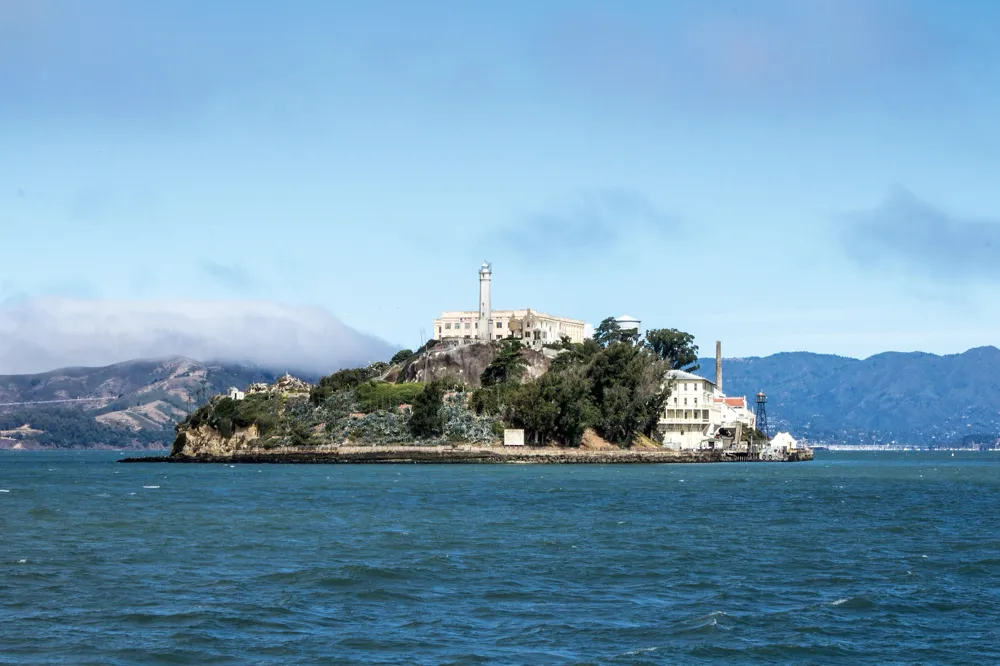
Alcatraz Island: A Complete Guide to Visiting San Francisco’s Famous “Rock”
Alcatraz Island is one of San Francisco’s most compelling attractions—a place where dramatic scenery, notorious prison stories, military history, and Native American activism meet in the middle of the bay. If you are planning a visit, the essentials are straightforward: reserve an official ferry ticket in advance, depart from Pier 33, allow several hours for the experience, and prepare for steep paths and rapidly changing weather.
One common misconception deserves clarification: Alcatraz is no longer an operating prison. The federal penitentiary closed in 1963, and the island is now a protected historic destination managed by the National Park Service as part of Golden Gate National Recreation Area. Visitors can enter the former cellhouse, explore exhibitions, learn about the island’s many historical eras, and enjoy panoramic views of San Francisco Bay.
Choosing a convenient hotel can make the outing considerably easier. Cornell Hotel—also widely known by its historic name, Cornell Hotel de France—offers a central Nob Hill base with French-inspired character, complimentary breakfast, Wi-Fi, and convenient access to the waterfront. Its location at 715 Bush Street puts guests within reach of Pier 33 while also making it easy to explore Union Square, Chinatown, North Beach, and other San Francisco highlights.
Why Visit Alcatraz Island?
Alcatraz Island is much more than an abandoned prison. The compact island has served as a defensive fort, a military prison, a federal penitentiary, a setting for an influential Native American occupation, and an important habitat for birds and other wildlife.
Its location also adds to the experience. The short ferry journey provides memorable views of the San Francisco skyline, the Golden Gate Bridge, the Bay Bridge, Angel Island, and the surrounding waterfront. Once ashore, visitors encounter weathered buildings, gardens, historic ruins, and the unmistakable cellhouse rising above the dock.
The best-known chapter began in 1934, when Alcatraz became a maximum-security federal penitentiary. It held inmates such as Al Capone, George “Machine Gun” Kelly, and Robert Stroud. The institution’s reputation was strengthened by its isolation, strict routines, and heavily publicized escape attempts. Although popular culture sometimes blurs fact and fiction, the exhibitions and interpretive programs on the island help place those stories in their proper historical context.
A Brief History of Alcatraz Beyond the Federal Prison
From Bay fortress to military prison
Long before the federal penitentiary opened, Alcatraz occupied a strategic position in San Francisco Bay. The island became a fortified military site during the 19th century, when coastal defenses were established to protect the growing city and its valuable harbor. Alcatraz also became home to the first lighthouse to operate on the Pacific Coast.
The military later used the island to confine prisoners. The surviving buildings and ruins therefore represent several overlapping eras rather than a single prison story. Looking beyond the famous cell blocks gives visitors a fuller understanding of why the island mattered to the development and defense of San Francisco.
The federal penitentiary years
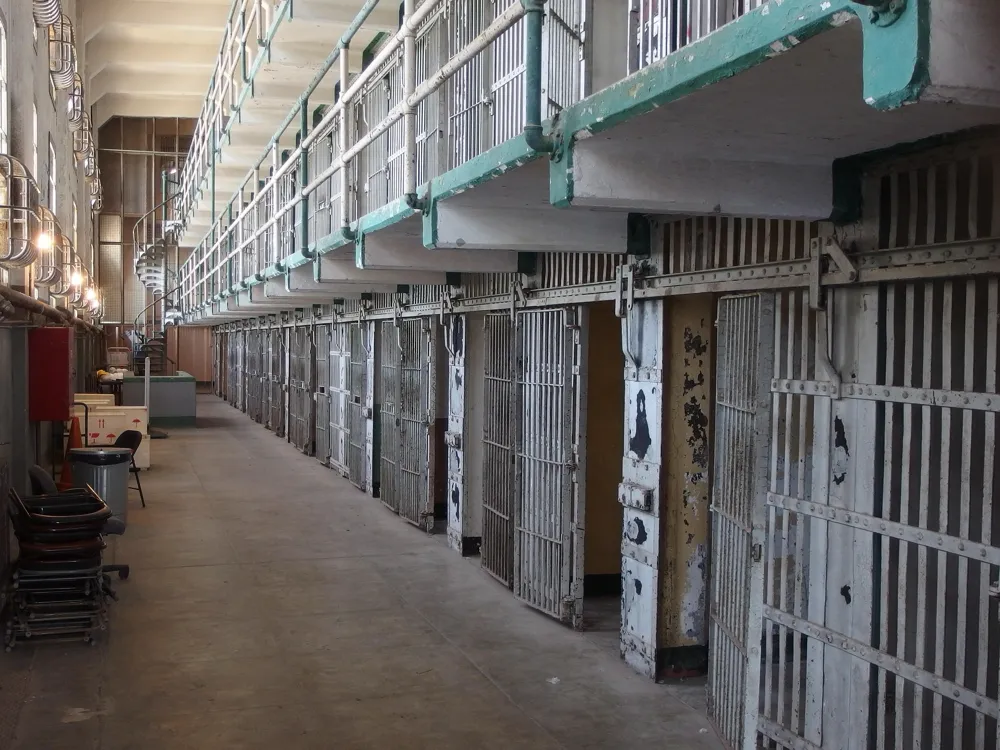
The United States Penitentiary at Alcatraz operated from 1934 until 1963. Its offshore position was meant to discourage escape and limit prisoners’ contact with the outside world. Running the facility, however, was unusually expensive because food, fuel, water, and other supplies had to be transported across the bay.
Inside the cellhouse, visitors can see the main cell blocks, the dining hall, the library area, and locations connected with escape attempts and prison disturbances. An included audio experience brings together accounts associated with former correctional officers and incarcerated people, helping guests imagine the routines and tensions of daily life on the Rock.
The Native American occupation of Alcatraz
The island’s history did not end when the prison closed. From November 1969 to June 1971, Indians of All Tribes occupied Alcatraz for 19 months, drawing national attention to Native American sovereignty, civil rights, cultural survival, and federal policies affecting Indigenous communities.
Visitors can still see evidence connected to the occupation and learn about its importance through the island’s interpretive materials and exhibitions. This chapter is essential to understanding Alcatraz as a place of protest and political change—not merely as the former home of famous criminals.
How to Get to Alcatraz Island
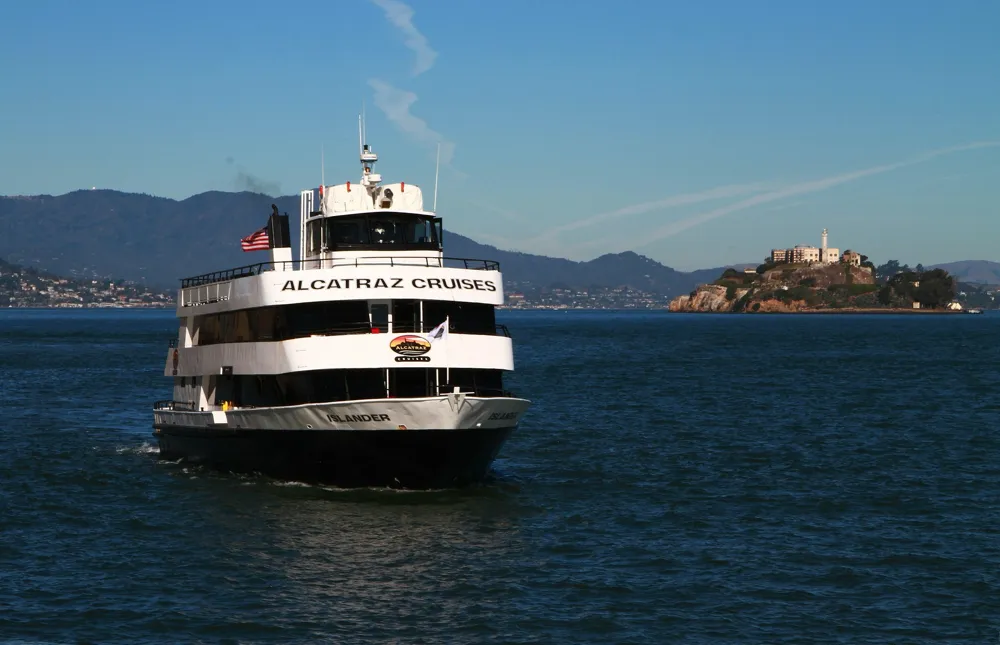
Visitors reach Alcatraz by ferry from Pier 33 Alcatraz Landing on the Embarcadero. The National Park Service identifies Alcatraz City Cruises as the only authorized ferry provider permitted to land passengers on the island.
This distinction matters when comparing tickets. Some sightseeing companies offer cruises that circle Alcatraz without docking. Those excursions can provide excellent views, but they do not include access to the island or the cellhouse. To walk through the historic site, purchase a landing tour through the official Alcatraz City Cruises website.
Schedules, ticket types, prices, and operating conditions can change, so check current information before finalizing your day. Advance reservations are strongly recommended, particularly for weekends, holidays, and popular travel periods. Arrive at Pier 33 with enough time to complete ticket and boarding procedures before your scheduled departure.
Choosing the Best Alcatraz Island Tour
Alcatraz Day Tour
The day tour is a practical choice for first-time visitors and travelers who want flexibility. Daylight makes it easier to appreciate the gardens, architecture, seabirds, and bay views. It also leaves time to combine Alcatraz with another waterfront attraction later in the day.
Alcatraz Night Tour
The night tour creates a different atmosphere as the light changes over San Francisco Bay. It may include programming or access that differs from the standard daytime visit, depending on current operations. Availability is more limited, making early reservations especially important.
Behind-the-scenes and combination experiences
Specialized tours may offer access to additional areas or a more detailed look at the island’s history. Seasonal combination options can also pair Alcatraz with Angel Island. These experiences generally require more time, so review duration, age restrictions, accessibility, and the official itinerary before booking.
How Much Time Should You Allow for Alcatraz?
Plan on approximately three to four hours for the complete outing, including ferry transportation, boarding, the walk to the cellhouse, the audio experience, and independent exploration. Travelers who enjoy photography, exhibitions, gardens, or detailed historical interpretation may want longer.
Return ferries generally allow visitors some flexibility, subject to the day’s operating schedule and available capacity. Confirm the procedure when you arrive rather than assuming you can take any departure. If you have another timed reservation in San Francisco, leave a generous buffer for boarding, ferry operations, and transportation from Pier 33.
What to Wear and Bring to Alcatraz Island
Conditions on Alcatraz can feel cooler and windier than they do in downtown San Francisco. Fog and temperature changes are possible even when the morning begins with clear skies.
- Wear comfortable shoes with reliable traction for hills, uneven surfaces, and stairs.
- Bring layers, including a wind-resistant jacket.
- Carry sun protection, since exposed areas may receive strong sunlight.
- Bring a reusable water bottle and check current rules concerning food and drink.
- Keep your phone or camera charged for skyline and bay views.
- Review current National Park Service alerts before leaving your hotel.
The route from the dock to the cellhouse is steep and roughly comparable to climbing several stories. Accessible transportation is available for eligible visitors with mobility needs, but service details and access to individual areas can change. Consult the National Park Service accessibility information before your trip if anyone in your party may need assistance.
Getting to Pier 33 from Cornell Hotel
Cornell Hotel’s Nob Hill address is well placed for exploring central San Francisco without staying directly in the busiest section of Fisherman’s Wharf. From the hotel, guests can reach Pier 33 by public transportation, taxi, rideshare, or a longer downhill walk through the northeastern part of the city.
Transportation times vary with traffic, street construction, and service changes, so confirm the route on the morning of your visit. If you have an early ferry reservation, allow more time than a navigation app’s minimum estimate. San Francisco’s hills can also make a distance feel longer on foot than it appears on a map.
Staying near Union Square and Nob Hill offers a different experience from booking a waterfront hotel. Fisherman’s Wharf properties may be closer to Pier 33, while Cornell Hotel provides convenient access to downtown shopping, Chinatown, the cable cars, and the restaurants of Union Square and Nob Hill. For travelers planning several city experiences rather than spending their entire trip on the waterfront, this central position can be especially useful.
Why Cornell Hotel Is a Charming Base for an Alcatraz Visit
Cornell Hotel is centrally located in San Francisco’s Nob Hill neighborhood, making it a convenient starting point for an Alcatraz Island visit and a wider city itinerary. From the hotel, travelers can reach Union Square, Chinatown, North Beach, Fisherman’s Wharf, and the waterfront, including Pier 33, where official Alcatraz ferries depart. Nearby cable car routes and public transportation provide additional ways to explore the city, while the hotel’s position between downtown and the northern waterfront helps guests combine major attractions without limiting their stay to a single neighborhood.
What Else to See Near Alcatraz Landing
An Alcatraz tour can be combined with several attractions along San Francisco’s northern waterfront. Pier 39 offers shops, dining, bay views, and its well-known sea lions. Fisherman’s Wharf is home to maritime sights and casual seafood restaurants, while the historic ships at Hyde Street Pier introduce another side of the city’s relationship with the water.
North Beach, known for Italian restaurants and literary history, is inland from the waterfront. Chinatown is also within reach and creates a natural connection back toward Cornell Hotel. Visitors who prefer a scenic walk can follow portions of the Embarcadero, while those with more time might continue toward the Ferry Building in the opposite direction.
A balanced day could begin with breakfast at the hotel, continue with a morning Alcatraz Island tour, and finish with North Beach, Chinatown, or Union Square. Avoid packing the schedule too tightly: one of the pleasures of visiting Alcatraz is having time to absorb the views and the island’s complex history.
Plan Your San Francisco Stay Around the Rock
Alcatraz Island deserves its place among San Francisco’s essential experiences. Its appeal comes not only from prison legends, but also from its military past, Native American history, striking natural setting, and extraordinary perspective on the city. Book the authorized ferry early, check current National Park Service guidance, dress in layers, and reserve enough time to explore beyond the cellhouse.
For a welcoming stay with French-inspired character, complimentary breakfast, and a convenient Nob Hill location, make Cornell Hotel your San Francisco base. Book directly with Cornell Hotel to review current room options, hotel policies, and direct-booking offers before your Alcatraz Island adventure.