
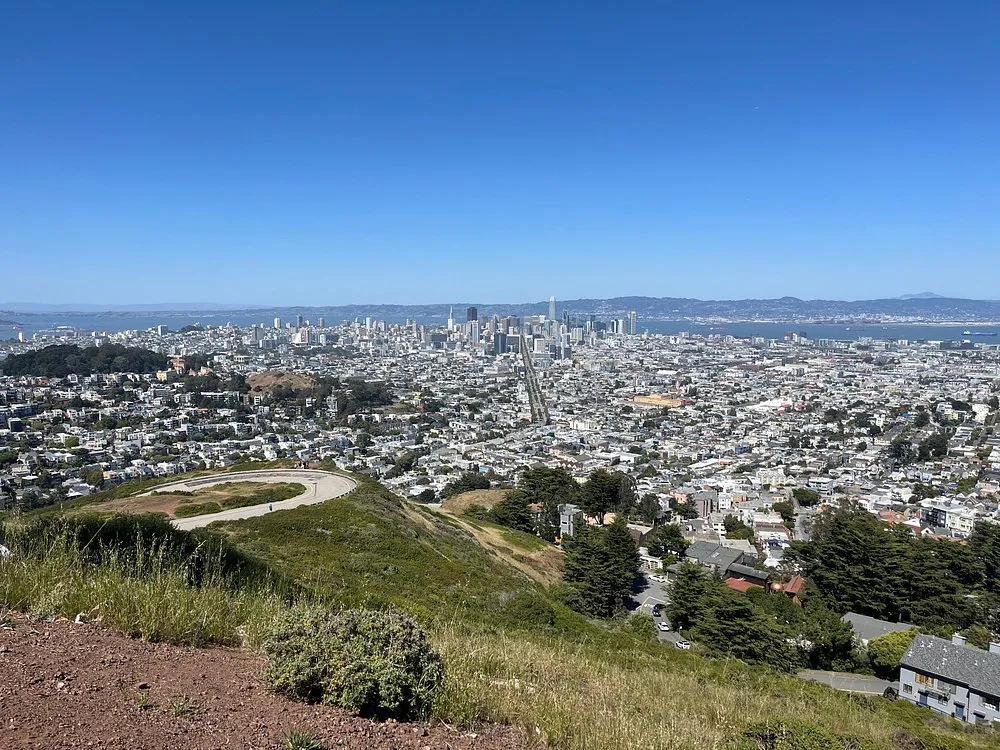
For sweeping views of San Francisco, few places are as memorable as Twin Peaks. Rising near the geographic center of the city, these neighboring summits offer an extraordinary perspective over downtown, the Bay, and San Francisco’s distinctive patchwork of hills and neighborhoods. On a clear day, the panorama can become one of the defining moments of a visit.
One quick clarification: travelers searching for Twin Peaks in San Francisco are usually looking for the scenic landmark and surrounding neighborhood—not the television series of the same name, which is set in a fictional Washington town. San Francisco’s Twin Peaks is a protected natural area, famous viewpoint, and rewarding stop for anyone who wants to understand the city’s geography from above.
Why Visit Twin Peaks in San Francisco?
Twin Peaks consists of two adjacent summits that rise approximately 922 feet above sea level. According to the San Francisco Recreation and Parks Department, they are second only to Mount Davidson in height within the city. Their central position makes the peaks especially valuable as an observation point: instead of seeing San Francisco from its waterfront, visitors look across much of the urban landscape from above.
The north peak overlook is the best-known viewing area. From around the summit, conditions permitting, visitors may be able to identify downtown skyscrapers, Market Street, the Bay, surrounding residential districts, and hills extending across the city. The view also reveals how San Francisco’s streets, ridges, parks, and neighborhoods fit together.
Yet Twin Peaks is more than a photo stop. The approximately 64-acre park preserves coastal scrub and grassland habitat that recalls how San Francisco’s hills appeared before extensive urban development. Walking beyond the principal overlook gives visitors an opportunity to experience the windswept landscape and appreciate a quieter, less manicured side of the city.
What to Expect at the Twin Peaks Viewpoint
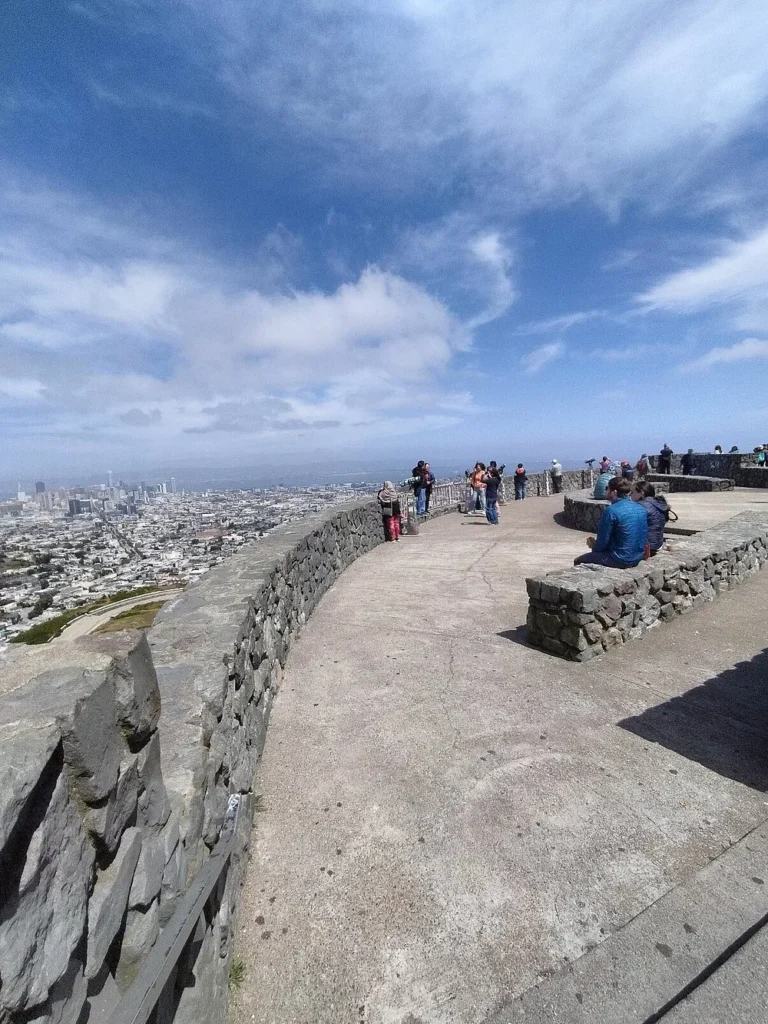
Expansive Views That Change with the Weather
The Twin Peaks experience depends heavily on San Francisco’s famously changeable weather. A clear morning can reveal crisp views across the city, while fog may arrive quickly and conceal much of the skyline. Even when visibility is limited, the moving clouds and exposed hillside can create an atmospheric experience—but travelers primarily interested in photography should check conditions before leaving the hotel.
Wind is common at this elevation, and temperatures can feel considerably cooler than they do around Union Square. Dressing in layers is wise throughout the year. A light jacket or wind-resistant outer layer can make a major difference.
Trails and Natural Terrain
Visitors who have time should explore beyond the main parking and viewing area. Twin Peaks includes trails through natural coastal habitat, with uneven ground and exposed slopes in places. Supportive footwear is preferable to sandals or dress shoes, particularly after wet weather.
The summit area is not an elaborate visitor complex. Its appeal comes from the landscape and outlook rather than indoor exhibits, shops, or entertainment. Bring water, prepare for limited shelter, and plan restroom or refreshment stops before or after the visit.
Sunrise, Daytime, or Sunset?
Each time of day offers a different experience:
- Morning can provide quieter surroundings and, when the fog cooperates, excellent visibility.
- Afternoon is convenient for fitting Twin Peaks between other sightseeing activities, although wind and fog can become more noticeable.
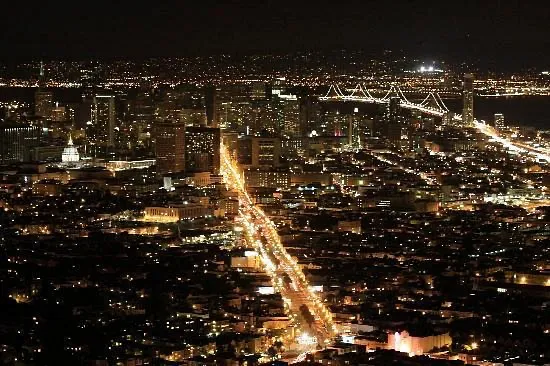
- Sunset brings changing colors and the gradual appearance of city lights, making it a popular time to visit.
- After dark can deliver an impressive illuminated cityscape, but visitors should remain aware of their surroundings and arrange transportation in advance.
The official park hours and vehicle access arrangements may change because of weather, maintenance, or traffic management. Check the San Francisco Recreation and Parks Department’s Twin Peaks page before setting out.
Getting to Twin Peaks
Taxi or Rideshare
For many travelers, a taxi or rideshare is the simplest option. It avoids transfers and reduces the amount of uphill walking required. Travel time varies significantly with traffic, road access, and the chosen drop-off point, so allow flexibility—especially near sunset and during busy weekends.
If taking a rideshare, confirm the exact pickup location for the return trip. Cellular reception and driver availability can vary, and the exposed summit is not an ideal place to begin making plans after the weather turns cold.
Driving and Parking
Travelers with a car can approach Twin Peaks via the roads serving the park, but vehicle access patterns may change. The Recreation and Parks Department currently advises drivers to follow its posted access information rather than assuming every gate is open.
Never leave luggage, shopping bags, electronics, or other belongings visible in a parked vehicle. The safest strategy is to leave valuables securely at the hotel and take only what is needed for the excursion.
Public Transportation
Muni serves the broader Twin Peaks area, but reaching a summit viewpoint generally involves an uphill walk from a nearby stop. Routes, service patterns, and temporary construction arrangements can change. Consult the SFMTA Twin Peaks transportation page or a live trip-planning service on the day of your visit.
Public transportation can be an appealing choice for visitors who enjoy exploring neighborhoods on foot. However, travelers with limited mobility, young children, or little time may find door-to-door transportation more comfortable.
Twin Peaks vs. Other San Francisco Viewpoints
San Francisco has several celebrated viewpoints, but each offers a different experience. Twin Peaks is particularly rewarding for its broad, elevated perspective over the city as a whole.
Twin Peaks vs. Coit Tower
Coit Tower provides a landmark experience near North Beach and Telegraph Hill, with strong views toward the waterfront. Twin Peaks sits farther inland and higher above much of the city, producing a wider sense of San Francisco’s overall layout. Travelers interested in architecture and history may favor Coit Tower, while those seeking a natural hilltop panorama may prefer Twin Peaks.
Twin Peaks vs. Bernal Heights
Bernal Heights Park has a more neighborhood-oriented atmosphere and attractive city views from the south. Twin Peaks feels more exposed and dramatic, and its elevation creates a broader panorama. Both can be worthwhile for travelers who enjoy hills and outdoor walks.
Twin Peaks vs. Golden Gate Overlooks
Viewpoints near the Presidio and Golden Gate Bridge naturally place the bridge, bay, and Marin Headlands at center stage. Twin Peaks emphasizes the city skyline, urban neighborhoods, and surrounding terrain. They are complementary rather than interchangeable experiences.
What to Bring for a Twin Peaks Visit
A little preparation makes the outing more enjoyable. Consider bringing:
- A warm layer or wind-resistant jacket
- Comfortable shoes with reliable traction
- Water, especially if you plan to walk the trails
- Sun protection for clear days
- A charged phone and portable battery
- A compact camera or binoculars
Allow more time than you think you need if photography is a priority. Cloud cover, shifting light, and the movement of fog can transform the view within minutes.
Building Twin Peaks into a San Francisco Itinerary
Twin Peaks works well as a focused half-day excursion or as one stop in a broader exploration of central and western San Francisco. Depending on your interests and transportation, you might combine it with the Castro, the colorful streets around the Haight, Golden Gate Park, or neighborhoods south of Market Street.
Another sensible approach is to reserve Twin Peaks for the clearest day in your itinerary.
Avoid packing too many distant attractions around a sunset visit. Traffic and transportation waits can make a tightly timed schedule stressful. Twin Peaks is best enjoyed when there is enough time to pause, walk, and watch the city change with the light.
Why Stay at Cornell Hotel When Visiting Twin Peaks?
Cornell Hotel offers a distinctive alternative to a standardized downtown stay. Originally built in 1910, the historic property combines French-inspired character with the conveniences of a boutique bed-and-breakfast. Its individually decorated rooms and collection of French art prints give the hotel a sense of personality that reflects San Francisco’s own affection for independent, memorable places.
Located near Union Square and Nob Hill, Cornell Hotel provides a characterful home base for visiting Twin Peaks while remaining close to many of San Francisco’s central attractions. Guests can spend the morning exploring downtown, travel to the peaks for an afternoon walk or sunset view, and return to the hotel’s intimate French-inspired surroundings at the end of the day.
The hotel’s location near Union Square helps guests balance a visit to Twin Peaks with other essential San Francisco experiences. Chinatown is within walking distance, while downtown shopping, galleries, restaurants, theaters, and transportation connections are nearby. Instead of choosing accommodation in a primarily residential area near the peaks, visitors can stay close to the city’s central attractions and make Twin Peaks an easy dedicated outing.
Because Cornell Hotel is centrally positioned, guests can keep their schedule flexible: explore Union Square, Chinatown, Nob Hill, or the downtown area when visibility is poor, then head to Twin Peaks when the clouds lift.
Experience Twin Peaks from a Characterful San Francisco Base
Twin Peaks captures something essential about San Francisco: dramatic elevation, fast-changing weather, natural beauty, and an urban landscape that rewards seeing it from a new angle. Whether you visit for photographs, a sunset, a trail walk, or your first complete view of the city, the peaks deserve a place in a thoughtful San Francisco itinerary.
Make Cornell Hotel your welcoming base near Union Square and Nob Hill. After taking in the panoramic views from Twin Peaks, return to an intimate historic hotel filled with French-inspired charm. Book directly with Cornell Hotel to explore current room options, availability, and direct-booking offers for your San Francisco stay.