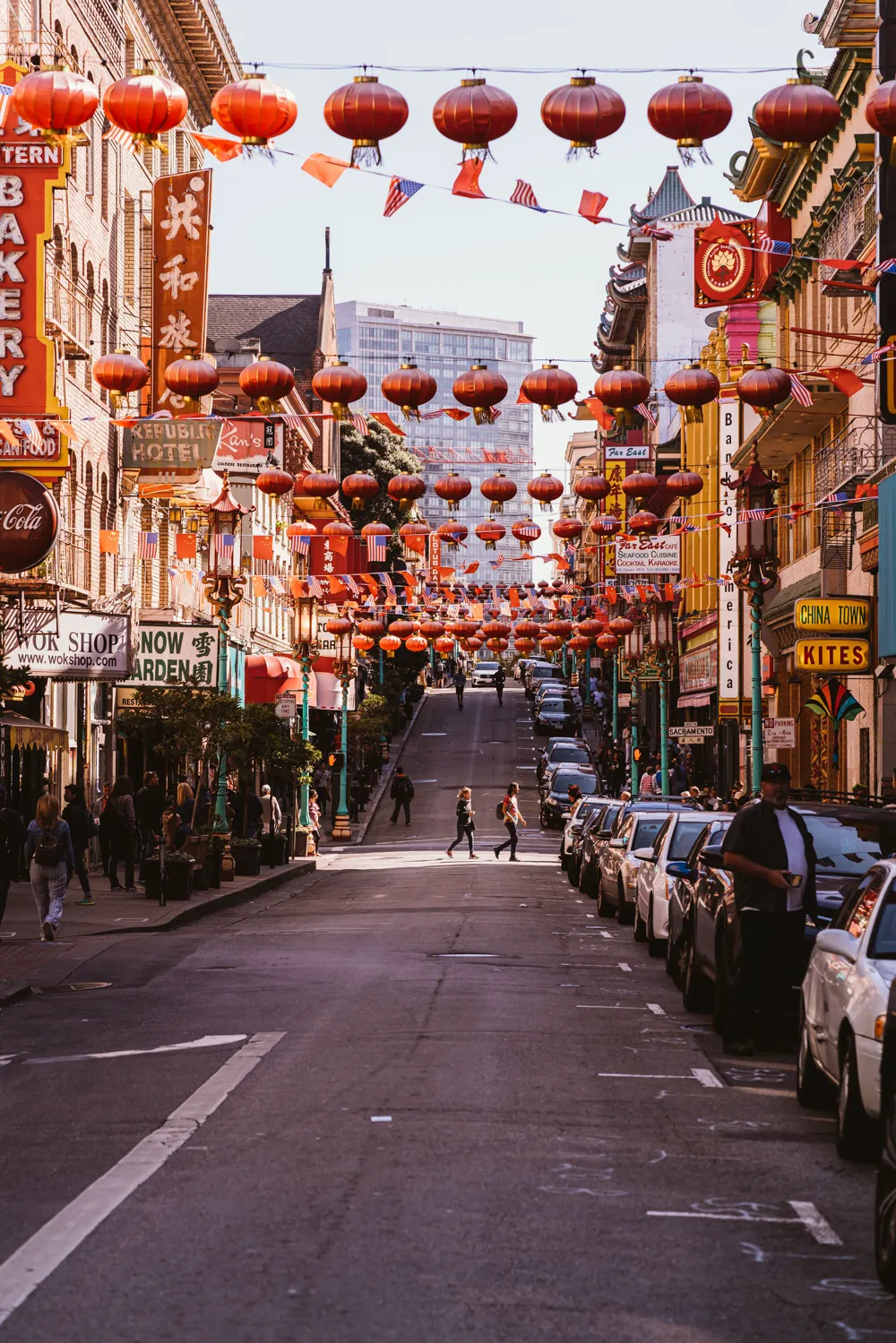
San Francisco’s Chinatown rewards curiosity. Beyond its famous gateway, the neighborhood unfolds through lantern-lined streets, busy produce markets, historic temples, family-run shops, traditional bakeries, contemporary restaurants, public art, and tucked-away alleys. Staying nearby gives you the freedom to experience this cultural district at different times of day instead of rushing through it on a short sightseeing stop.
Why Visit San Francisco’s Chinatown?
Established during the Gold Rush era and rebuilt after the 1906 earthquake, San Francisco’s Chinatown is widely recognized as the oldest Chinatown in North America. It is not simply a collection of visitor attractions. It is a living neighborhood with residents, community organizations, places of worship, markets, restaurants, and businesses serving both local families and travelers.
That combination makes Chinatown one of the most engaging places to explore in San Francisco. Grant Avenue presents the neighborhood’s colorful ceremonial face, while Stockton Street offers a closer look at everyday commercial life. Between them, narrow alleys reveal murals, historic architecture, small shops, and unexpected details.
The district is also compact enough to explore without a rigid itinerary. You can stop for tea, share dim sum, browse a market, visit a cultural institution, or continue north toward North Beach.
Begin at the Chinatown Dragon Gate
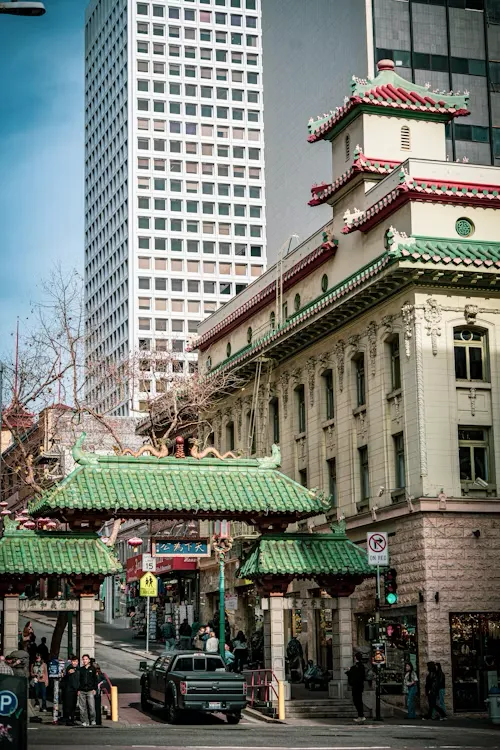
The Dragon Gate stands at Grant Avenue and Bush Street. Also known as the Chinatown Gateway, it marks the traditional southern entrance to the neighborhood and is one of the most recognizable landmarks in San Francisco.
Walk north through the gate to begin exploring Grant Avenue. Decorative streetlights, balconies, lanterns, shops, and distinctive rooflines create a memorable streetscape. Although Grant Avenue contains many businesses oriented toward visitors, it also introduces the neighborhood’s architecture and offers convenient access to side streets and alleys.
For a fuller picture of Chinatown, do not remain on Grant Avenue for the entire visit. Cross over to Stockton Street, where markets and food shops reflect the rhythms of daily neighborhood life. Moving between these two corridors helps visitors understand why Chinatown is both a celebrated destination and an active residential community.
Things to Do in Chinatown
Walk Through the Historic Alleys
Chinatown’s alleys are among its most intriguing features. Ross Alley is particularly well known as the home of the Golden Gate Fortune Cookie Factory, where visitors may be able to observe fortune cookies being made. Because individual businesses can change their operating hours, check current information before planning your visit around a specific stop.
Waverly Place is another worthwhile detour. Sometimes called the “Street of Painted Balconies,” it is known for colorful architectural details and its connections to community and religious life. Approach temples and places of worship respectfully, remembering that they are active cultural spaces rather than staged attractions.
Discover Chinese American History and Culture
Chinatown’s story extends far beyond its restaurants and shops. The Chinese Historical Society of America Museum presents exhibitions related to Chinese American history and experience. The Chinese Culture Center also supports exhibitions, public art, and cultural programming.
Current admission requirements, exhibition schedules, and opening hours may vary, so consult each organization’s official information before visiting. Even without entering a museum, travelers can learn from plaques, murals, architecture, and interpretive displays throughout the neighborhood.
Browse Markets, Tea Shops, and Specialty Stores
Shopping in Chinatown can be as simple as browsing a tea shop or as immersive as walking through Stockton Street’s produce and seafood markets. You may encounter Chinese cookware, ceramics, herbs, books, pastries, fresh ingredients, gifts, and loose-leaf teas.
If you want to purchase tea, ask the staff about flavor, origin, and preparation. A knowledgeable shop can help distinguish between green, black, white, oolong, and fermented teas without requiring you to arrive as an expert. When browsing markets, remain aware of narrow aisles and avoid obstructing residents who are completing their everyday shopping.
What to Eat in San Francisco’s Chinatown
Food is central to a Chinatown visit, but there is no single dish or dining style that represents the entire neighborhood. Options range from casual bakeries and counter-service dining to traditional banquet rooms and contemporary Chinese American restaurants.
Try Dim Sum at Your Own Pace
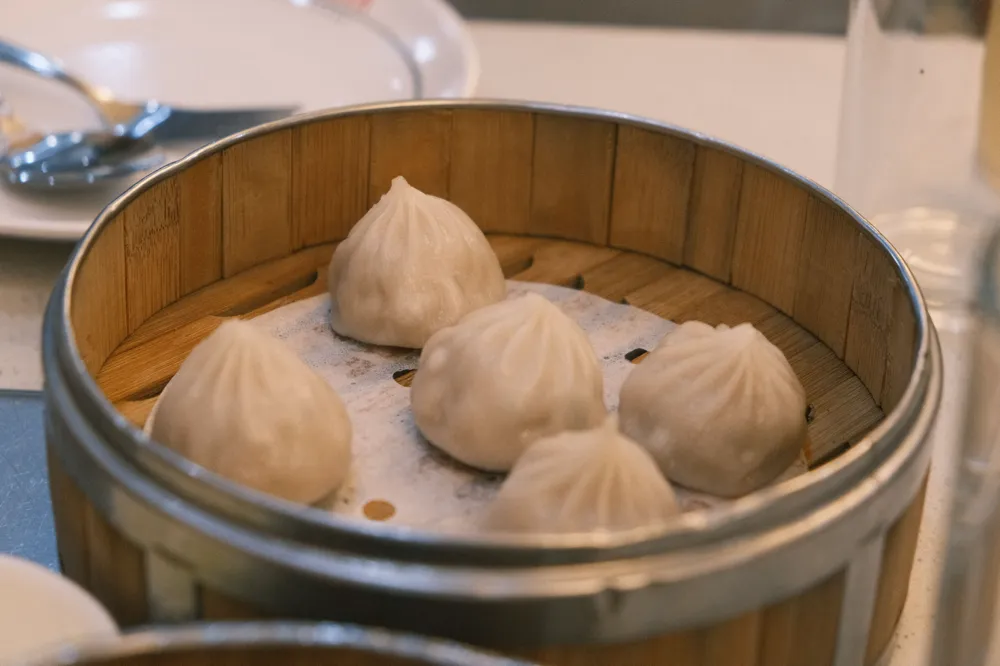
Dim sum is a popular choice because it allows diners to share several smaller dishes. Depending on the restaurant, selections may include steamed or baked buns, dumplings, rice-noodle rolls, turnip cake, vegetables, and sweets. Menus and service styles differ, and many establishments become busy around lunch.
Travelers who want a quick meal can purchase takeaway dim sum from a bakery or counter. Those looking for a more leisurely experience may prefer a sit-down restaurant. Check menus directly if you have allergies or dietary restrictions; ingredients and preparation methods should never be assumed.
Leave Room for Bakery Treats and Tea
Chinese bakeries offer an accessible way to sample the neighborhood’s food culture. Egg tarts, buns, sponge cakes, and other pastries are commonly found, although availability changes throughout the day. A tea break can provide a quieter pause between sightseeing stops.
Bring more than one payment option. Some smaller establishments may have particular payment practices or minimums, and it is useful to carry cash while also confirming what each business currently accepts.
Choose Between Longstanding and Contemporary Restaurants
Chinatown includes both traditional Cantonese dining rooms and newer restaurants interpreting Chinese and Chinese American cuisine through a modern California perspective. Neither experience is inherently more “authentic” than the other; they serve different occasions and reflect different parts of the neighborhood’s evolving food culture.
For dinner at a popular restaurant, consider reserving ahead when reservations are offered. For spontaneous dining, walk beyond the most visible blocks, review the menu, and choose a restaurant that suits your budget and preferred atmosphere.
A Practical Half-Day Chinatown Itinerary
Start at Cornell Hotel and walk along Bush Street to the Dragon Gate. Continue north on Grant Avenue, taking time to notice the decorative facades and side streets. Turn into Ross Alley, then explore nearby Waverly Place before crossing toward Stockton Street.
Stop for a bakery snack, tea, or early dim sum lunch. Afterward, visit a cultural institution if its schedule aligns with your trip, or continue browsing markets and specialty shops. From northern Chinatown, you can extend the walk into North Beach for cafés, Washington Square, and Italian American heritage.
Travelers with more time can continue toward Telegraph Hill and Coit Tower, although the climb is steep. Another option is to head east toward the Financial District and the waterfront. Because Cornell Hotel is nearby, you can also return to your room for a break and come back to Chinatown for dinner.
Chinatown Compared with Nearby Neighborhoods
Chinatown and Union Square sit close together but offer different experiences. Union Square is associated with major retail stores, galleries, theaters, and a central downtown location. Chinatown places greater emphasis on Chinese American heritage, community commerce, food, and compact pedestrian exploration.
North Beach borders Chinatown to the north and is known for Italian American history, cafés, nightlife, and proximity to Telegraph Hill. The Financial District lies to the east, placing offices and modern towers beside some of the city’s oldest streets.
Why Stay at Cornell Hotel Near Chinatown?
Cornell Hotel offers an intimate alternative to a large standardized property. Originally built in 1910, the historic building combines French Colonial inspiration with the atmosphere of a boutique bed-and-breakfast. Its hallways feature prints associated with artists including Matisse, Chagall, Gauguin, Modigliani, and Toulouse-Lautrec.
Walking is the most direct way to reach Chinatown from Cornell Hotel. The Dragon Gate is situated on Bush Street, the same street as the hotel, which makes the route straightforward. San Francisco’s hills can still be demanding, so comfortable footwear is a sensible choice.
Above all, the location supports a flexible Chinatown visit. You can walk to the Dragon Gate, explore in manageable stages, and return to a hotel whose historic character complements the surrounding city.
Cornell Hotel is especially relevant to travelers searching for a hotel near Chinatown. Located at 715 Bush Street in the Nob Hill–Union Square area, the hotel is approximately six blocks from the neighborhood. The Dragon Gate at Bush Street and Grant Avenue provides a natural starting point for exploring on foot.
You may also encounter the name “Cornell Hotel de France” in older references and travel listings. The property’s current official website uses Cornell Hotel. It remains known for its French-inspired character, individually decorated accommodations, and historic San Francisco setting.
Helpful Tips for a Respectful Chinatown Visit
- Visit both Grant Avenue and Stockton Street to see different sides of the neighborhood.
- Check current hours directly with museums, restaurants, temples, and shops.
- Carry cash as well as a card, especially when visiting small businesses.
- Ask before photographing people, shop interiors, ceremonies, or worship spaces.
- Avoid blocking sidewalks and market entrances while taking photographs.
- Wear comfortable shoes and prepare for hills when extending your walk beyond Chinatown.
- Support local businesses by dining, shopping, or joining a community-focused cultural tour.
Make Chinatown Part of Your San Francisco Stay
Chinatown is best experienced as a neighborhood rather than a checklist. Follow Grant Avenue, wander through an alley, observe the activity on Stockton Street, learn something about Chinese American history, and enjoy a meal that encourages you to slow down. Its proximity to Cornell Hotel means you do not have to fit everything into a single hurried visit.
Choose a historic, French-inspired base near Chinatown, Union Square, and Nob Hill. Book directly with Cornell Hotel to review current room options, policies, availability, and direct-booking offers for your San Francisco stay.