Japanese Tea Garden in Golden Gate Park: What to Know Before You Go
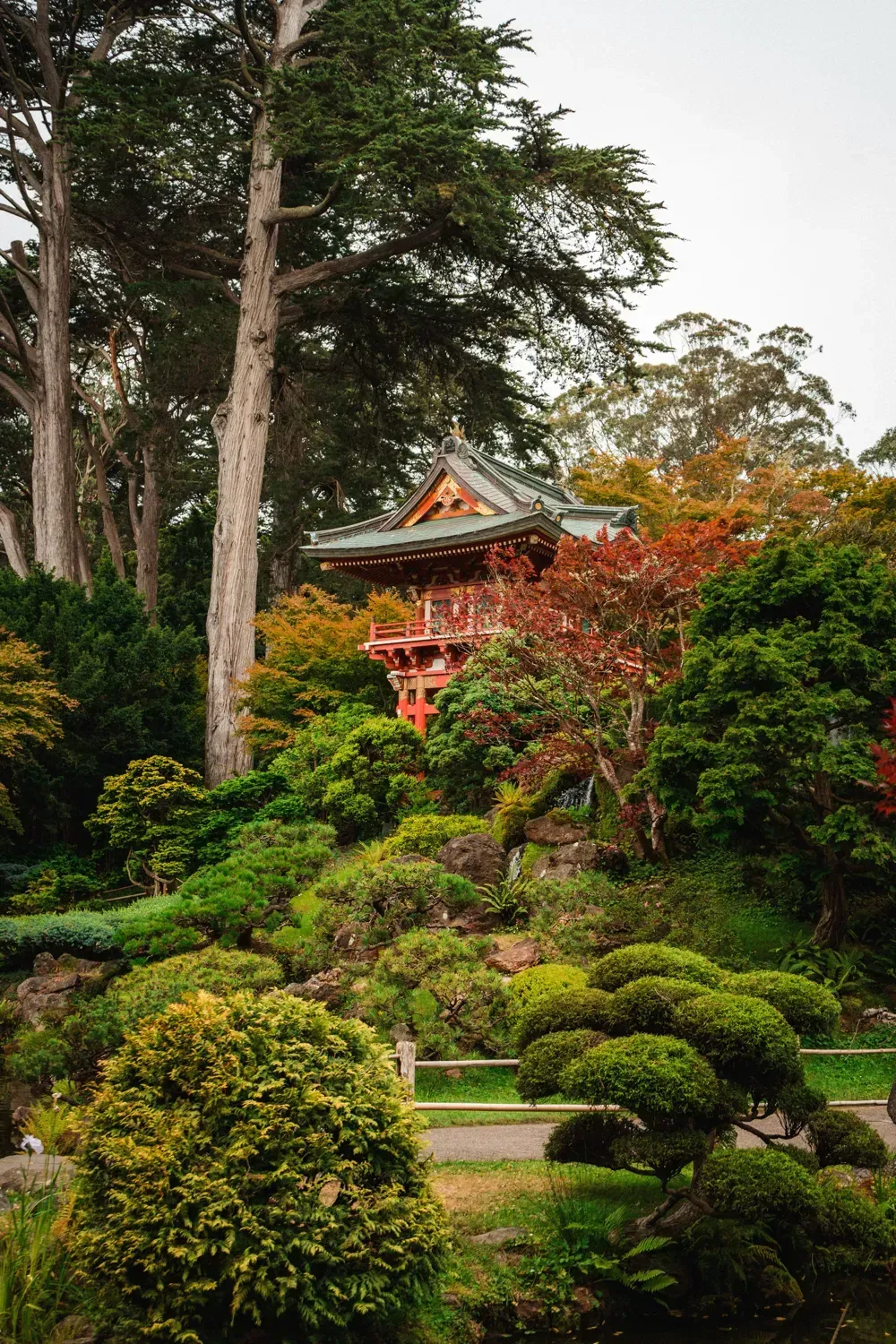
Searching for the Japanese Tea Garden in San Francisco? This peaceful Golden Gate Park attraction invites visitors to wander among koi ponds, sculpted trees, stone lanterns, arched bridges and traditional Japanese architecture. It is an ideal stop for couples, families, photographers, garden enthusiasts and anyone seeking a quiet counterpoint to the city’s busiest landmarks.
The garden is located at 75 Hagiwara Tea Garden Drive in Golden Gate Park—not in Japantown and not near Union Square.
What Is the Japanese Tea Garden?
San Francisco’s Japanese Tea Garden is a carefully composed landscape in the Music Concourse area of Golden Gate Park. Its winding paths reveal changing combinations of water, stone, plants and architecture. Rather than functioning like a large botanical collection, the garden offers a compact, contemplative experience in which every turn presents a new perspective.
Visitors can look for the garden’s distinctive drum bridge, pagoda, stepping-stone paths, koi pond, lanterns and carefully pruned plants. A dry landscape garden introduces another Japanese gardening tradition, using rocks and raked gravel to suggest a larger natural scene. Seasonal flowers and foliage change the atmosphere throughout the year, so the experience is never limited to one particular month.
Despite its tranquil character, this is one of Golden Gate Park’s best-known attractions. Arriving early can provide a calmer visit, especially on weekends, holidays and clear days when the park is busiest.
The Japanese Tea Garden’s History—and an Important Misconception
The Japanese Tea Garden traces its origins to the Japanese Village created for San Francisco’s 1894 California Midwinter International Exposition. After the fair, Japanese landscape designer and caretaker Makoto Hagiwara helped transform and expand the temporary exhibit into a lasting garden. His family continued caring for it after his death in 1925.
Its history also includes an injustice that should not be overlooked. During World War II, the Hagiwara family was forcibly removed as Japanese Americans were incarcerated by the United States government. The site was subsequently called the “Oriental Tea Garden.” Its original name was restored in 1952, but the family was not permitted to return as caretakers. A fuller account is available through the
Another common misconception concerns the garden’s name. You may see references to the “Hagiwara Tea Garden,” but the attraction’s official name is the Japanese Tea Garden. Hagiwara Tea Garden Drive, the road in its address, commemorates the family’s essential contribution.
Japanese Tea Garden Hours, Tickets and Admission
The garden opens daily at 9:00 a.m. Its last-entry time changes by season: the published schedule lists 5:30 p.m. from March through October and 4:30 p.m. from November through February. The grounds close 30 minutes after the final admission.
A free admission hour is ordinarily offered from 9:00 to 10:00 a.m. on Mondays, Wednesdays and Fridays. San Francisco residents may also qualify for free general admission with proof of residency. Ticket prices, eligibility rules, closures and operating times can change, so visitors should confirm the latest information on the official
Gardens of Golden Gate Park hours and admissions page
How Much Time Should You Allow?
Most visitors should reserve approximately 45 to 90 minutes. A focused walk can be completed more quickly, while photographers, plant lovers and guests stopping at the Tea House may prefer a longer visit. Because the paths reward slow observation, an unhurried schedule generally produces a more memorable experience.
If you plan to combine the Japanese garden with the de Young Museum, California Academy of Sciences or San Francisco Botanical Garden, allow at least half a day. A full day is more comfortable if you intend to enter a major museum rather than simply explore the surrounding outdoor spaces.
Best Time to Visit the Japanese Tea Garden
Morning for a Quieter Experience
Morning is often the best choice for visitors who value softer light and fewer distractions. It also gives you the remainder of the day to explore Golden Gate Park. The free admission period on select mornings can attract its own rush, however, so purchasing a regular ticket for another early time may provide a less hurried visit.
Spring Blossoms and Fresh Growth
Spring is especially popular because flowering trees and other seasonal plants add color to the landscape. Bloom timing depends on weather and cannot be guaranteed for a particular date. Travelers hoping to see cherry blossoms should keep their plans flexible and remember that the ponds, bridges and architectural features remain appealing even outside peak bloom.
Autumn Color and Winter Atmosphere
Japanese maples can bring rich color to the garden during autumn. Winter offers a more restrained landscape, which can make the structure of branches, rocks and pathways easier to appreciate. San Francisco’s weather remains changeable in every season, so layered clothing is useful even when the forecast appears mild.
Tea, Snacks and the Garden’s Tea House
The Tea House gives visitors an opportunity to pause within the garden rather than treating it as a quick sightseeing stop. Its menu and operating arrangements may change, so check current information if tea service is an essential part of your plans. At busy times, seating may require patience.
Even without a Tea House stop, the garden is best experienced slowly. Take time to observe reflections on the water, the framing of views through branches and gateways, and the relationship between planted and built elements. These details are central to the attraction’s appeal.
What to See Near the Japanese Tea Garden
The garden’s location makes it easy to build a broader Golden Gate Park itinerary. Nearby attractions include:
- de Young Museum: An art museum directly beside the garden, with collections spanning American art, art from Africa and Oceania, textiles and changing exhibitions.
- California Academy of Sciences: Located across the Music Concourse, this major science museum combines an aquarium, planetarium, natural history exhibits and a living roof.
- San Francisco Botanical Garden: A much larger garden suited to travelers who want an extended walk through plant collections from different regions.
- Music Concourse: The landscaped civic space between the de Young and the California Academy of Sciences.
- Conservatory of Flowers: A historic glasshouse farther east in Golden Gate Park, accessible on foot or via the park shuttle.
Japanese Tea Garden or San Francisco Botanical Garden?
Choose the Japanese Tea Garden if you want a focused cultural landscape, recognizable Japanese design features and a visit that fits comfortably between other attractions. Choose the San Francisco Botanical Garden if your priority is a longer walk and a broader range of plants and habitats.
The two experiences are complementary rather than interchangeable. Travelers with sufficient time can visit both, but should consult current ticket options and admission rules before purchasing separate entries.
Japanese Tea Garden or Japantown?
Japantown is an urban neighborhood with shops, restaurants, cultural institutions and community landmarks. The Japanese Tea Garden is a landscaped attraction inside Golden Gate Park. Visit the garden for scenery and quiet reflection; visit Japantown for dining, shopping and a wider contemporary cultural experience. Including both creates a more complete day, although travel time between them should be built into your plans.
Practical Tips for a Better Visit
- Check official hours and ticket information shortly before your visit.
- Arrive early if you prefer quieter paths and easier photography.
- Wear shoes with good grip because the route includes stone surfaces, steps and narrow paths.
- Bring a light layer; Golden Gate Park can feel cooler than downtown San Francisco.
- Allow additional time if anyone in your party has limited mobility, and consult the official venue about current accessible routes.
- Avoid touching plants or stepping beyond barriers in pursuit of photographs.
- Confirm Tea House hours separately if refreshments are an important part of your visit.
- Download directions before entering the park in case mobile service is inconsistent.
Why Stay at Cornell Hotel When Visiting the Japanese Tea Garden?
A hotel beside Golden Gate Park may be convenient for travelers whose entire itinerary centers on the park. Cornell Hotel offers a different advantage: it places guests in Nob Hill near Union Square, making it practical to combine the Japanese Tea Garden with downtown sightseeing, Chinatown, shopping, restaurants and classic San Francisco transportation.
Built in 1910, the hotel has French-inspired character rather than the standardized appearance of a large chain. Its 50 individually decorated rooms and suites blend period atmosphere.
Cornell Hotel is not the closest hotel to the Japanese Tea Garden, its central location is especially useful for visitors planning a broader San Francisco itinerary. After exploring Golden Gate Park, guests can return to Nob Hill and remain close to Union Square, Chinatown, the Financial District and the city’s iconic cable cars
The Cornell Hotel name may also cause confusion online. Some listings and historical references use Cornell Hotel de France, while the property’s current website prominently uses Cornell Hotel. These references concern the same French-inspired hotel at 715 Bush Street.
How to Get to the Japanese Tea Garden from Cornell Hotel
Cornell Hotel is located at 715 Bush Street in Nob Hill, near Union Square. The Japanese Tea Garden lies west of downtown in Golden Gate Park, so it should be treated as a transit, taxi or rideshare journey rather than a short walk.
For public transportation, use a current trip planner on the day of your visit because routes and service conditions can change. Several Muni lines serve Golden Gate Park, while the 44 O’Shaughnessy stops at the Music Concourse near the garden. The free Golden Gate Park Shuttle also connects several destinations within the eastern part of the park. San Francisco Recreation and Parks provides additional guidance on
A taxi or rideshare can be the simplest option for travelers with limited time. Drivers should use the official address rather than searching only for “Golden Gate Park,” which covers a very large area. If driving, allow extra time to locate parking, particularly on weekends. Parking availability and restrictions vary around the park.
Plan a Peaceful Golden Gate Park Day from Nob Hill
The Japanese Tea Garden brings together landscape design, cultural history and a sense of calm that can be difficult to find in a busy sightseeing schedule. Visit early, leave room to slow down and pair the garden with one or two nearby attractions rather than rushing through every destination in Golden Gate Park.
After your park excursion, Cornell Hotel provides a distinctive home base near many of San Francisco’s downtown highlights. Explore the available accommodations, verify the amenities that matter to you and
Things to Do in Chinatown: A Guide for San Francisco Visitors
Aquarium of the Bay Guide: Exhibits, Tickets, and Travel Tips