
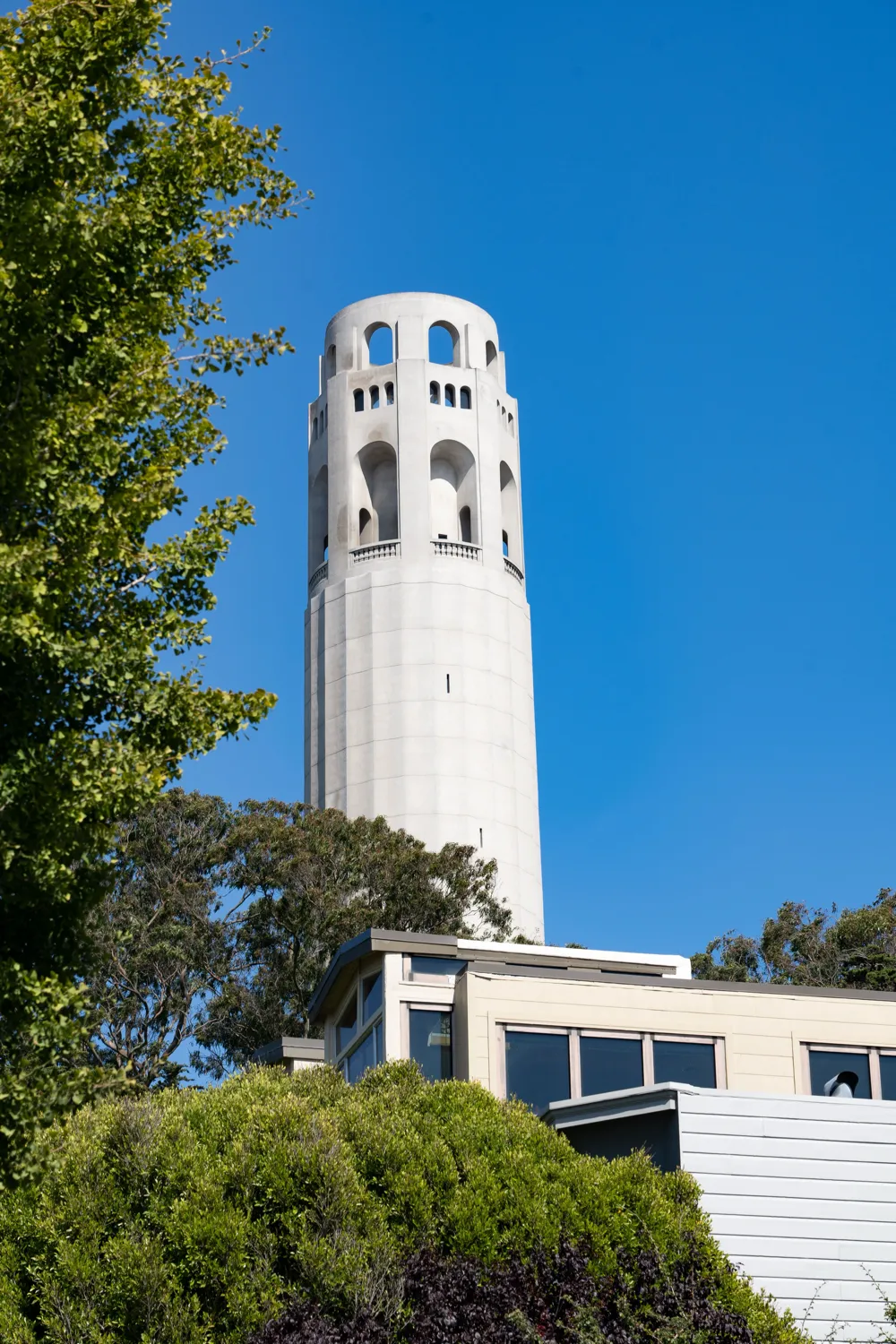
Rising above Telegraph Hill, Coit Tower is one of the most recognizable landmarks in San Francisco. Visitors come for sweeping views of the bay and city skyline, but the experience is about much more than reaching the observation deck. Historic murals, hillside gardens, scenic stairways, and the surrounding streets of North Beach make Coit Tower an ideal centerpiece for a half-day of exploration.
One common misconception is worth clearing up immediately: Coit Tower was not designed to resemble a fire-hose nozzle. Although its namesake, Lillie Hitchcock Coit, was a devoted supporter of San Francisco’s volunteer firefighters, the city’s official history confirms that the resemblance was not intentional. The landmark was built to beautify the city, using money Coit left to San Francisco after her death.
Why Visit Coit Tower?
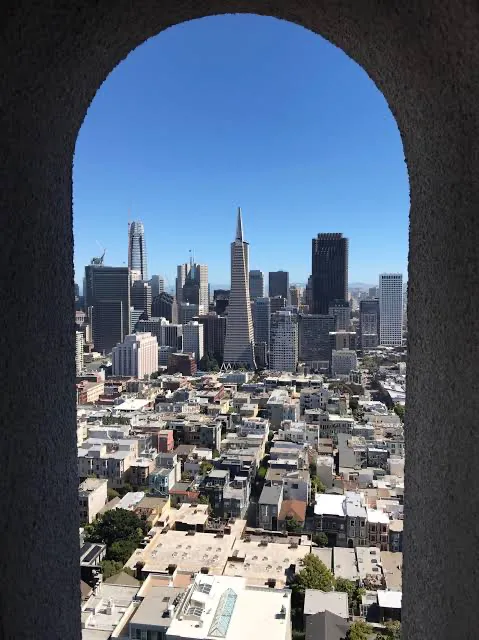
Completed in 1933, Coit Tower stands in Pioneer Park at the summit of Telegraph Hill. Its elevated position provides broad views that may include the Golden Gate Bridge, Bay Bridge, Alcatraz Island, downtown San Francisco, and the waterfront, depending on visibility and weather.
There are several reasons to include it in a San Francisco itinerary:
- Panoramic scenery: The observation level offers a 360-degree perspective over the city and bay.
- Important public art: The ground-floor frescoes portray work and everyday life in Depression-era California.
- Local history: The tower connects stories of Lillie Hitchcock Coit, early firefighting, maritime communication, and 1930s politics.
- A memorable approach: Visitors can arrive by bus, roadway, or picturesque stairways through the slopes of Telegraph Hill.
- Nearby neighborhoods: North Beach, Chinatown, the Embarcadero, and Fisherman’s Wharf can all complement a visit.
Even travelers who decide not to purchase an observation-deck ticket can enjoy Pioneer Park, exterior views of the tower, and the murals accessible at its base.
The History Behind Coit Tower
Coit Tower is named for Lillie Hitchcock Coit, a prominent San Franciscan known for her unconventional personality and enthusiasm for the city’s volunteer fire companies. When she died in 1929, she left a substantial portion of her estate to San Francisco for the purpose of adding to the beauty of the city she loved.
The bequest helped fund both Coit Tower and a monument to volunteer firefighters in nearby Washington Square. The tower was designed by the firm of Arthur Brown Jr., the architect associated with San Francisco City Hall. Its simple, fluted concrete form has remained a defining feature of the skyline since its completion.
Telegraph Hill has an earlier history reflected in its name. A semaphore station was erected on the summit in 1850 to signal the arrival of ships entering the Golden Gate. Pioneer Park was later established around the former station site in 1876.
Inside Coit Tower: The Depression-Era Murals
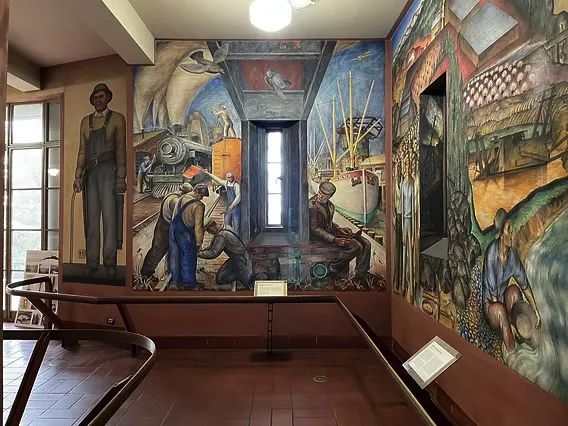
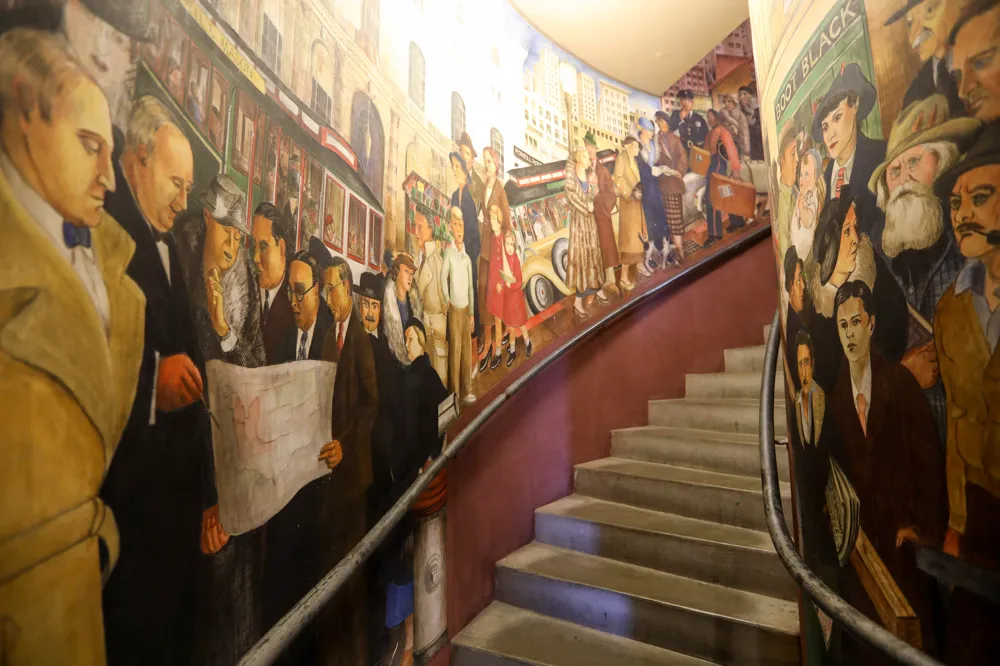
The murals inside Coit Tower are not merely decoration. Painted in 1934, they are among the city’s most significant collections of New Deal-era public art. Artists employed through the Public Works of Art Project—a program that preceded the Works Progress Administration—created scenes depicting agriculture, manufacturing, shipping, banking, city streets, newspapers, and daily life in California.
The frescoes also capture the political tensions of the period. Some panels generated controversy because of their social commentary and imagery. The tower was closed for several months before the murals were opened to the public in the fall of 1934, and certain controversial details were altered or removed.
Take time to examine the individual scenes rather than treating the lobby as a passage to the elevator. Details emerge gradually: workers loading cargo, families shopping, office employees, industrial machinery, and references to the economic and social debates of the era.
Guided Coit Tower Mural Tours
According to the San Francisco Recreation and Park Department, docent-led mural tours may be available for groups of four to six people. A complete tour lasts approximately 30 to 40 minutes, while a shorter second-floor option may also be offered. Tour tickets are sold at Coit Tower.
Availability and operational details can change, so visitors particularly interested in the murals should check the official city page before setting out.
Coit Tower Hours, Tickets, and Visitor Information
Coit Tower is located at 1 Telegraph Hill Boulevard, San Francisco, CA 94133. The city currently lists the following seasonal schedule:
- April through October: Daily from 10:00 a.m. to 6:00 p.m.
- November through March: Daily from 10:00 a.m. to 5:00 p.m.
- Holiday closures: Thanksgiving Day, Christmas Day, and New Year’s Day.
Tickets for the elevator and observation level are purchased on-site, with sales ending one hour before closing. Admission prices vary by age and whether the visitor is a San Francisco resident. Because prices and operating conditions may change, consult the official city listing for the latest rates before your visit.
The tower has a historic elevator that can occasionally be unavailable because of mechanical issues. In that situation, reaching the viewing level may require climbing 13 flights of stairs. Travelers with mobility concerns should confirm current elevator status when possible.
When Is the Best Time to Visit Coit Tower?
Morning is an appealing time to visit if you prefer a quieter atmosphere and want to continue into North Beach or Chinatown afterward. Late afternoon can offer beautiful light across the city, although crowds and elevator lines may be longer at popular times.
San Francisco weather changes quickly. Fog can create a dramatic atmosphere around Telegraph Hill, but it may obscure distant landmarks. If observation-deck views are your priority, check the forecast and look toward the hill before committing to a particular time.
Weekdays and non-holiday mornings are generally sensible choices for visitors hoping to avoid peak demand. Regardless of timing, allow room in your schedule for the murals, Pioneer Park, and the journey up or down the hill.
How to Get to Coit Tower
Ride the 39 Coit Bus
The SFMTA 39 Coit route connects the tower with areas around North Beach and Fisherman’s Wharf. It is a practical option for visitors who want to limit uphill walking. Schedules, temporary stop changes, and real-time arrivals should be checked on the SFMTA website on the day of travel.
Walk Through North Beach
Walking to Coit Tower allows you to experience the cafés, restaurants, and historic streets of North Beach along the way. The final approach is steep, so supportive shoes are important. This option suits travelers who enjoy urban walking and want the journey to be part of the attraction.
Climb the Filbert or Greenwich Street Steps
For a particularly scenic approach, climb the eastern slope of Telegraph Hill using the Filbert Street Steps or Greenwich Street stairs. The Filbert route passes through the leafy Grace Marchant Garden, creating a striking contrast between dense urban development and intimate hillside greenery.
These stairways involve a sustained climb and may not be appropriate for every visitor. A satisfying alternative is to take transit uphill and descend by the steps, reducing exertion while preserving the scenery.
Driving and Parking
Driving is possible, but parking near the tower is extremely limited. The city warns that cars can face long waits during busy periods. Public transportation, walking, or rideshare drop-off is often more convenient than planning around the small parking area.
What to See Near Coit Tower
Coit Tower fits naturally into a broader day of sightseeing. Nearby highlights include:
- North Beach: Known for Italian culinary traditions, cafés, nightlife, and Beat Generation history.
- Washington Square: A neighborhood gathering place facing Saints Peter and Paul Church.
- Chinatown: A compelling area for food, markets, temples, architecture, and cultural history.
- The Embarcadero: A waterfront route with piers, bay views, and access toward the Ferry Building.
- Pier 39 and Fisherman’s Wharf: Busy visitor districts with shops, seafood restaurants, waterfront attractions, and bay excursions.
- Lombard Street: The famous landscaped section of the street is another popular stop in the surrounding northern neighborhoods.
For a balanced itinerary, visit Coit Tower first, descend into North Beach for lunch, and continue toward Chinatown or the waterfront. This creates a logical route without repeatedly climbing the same hills.
Coit Tower Compared with Other San Francisco Viewpoints
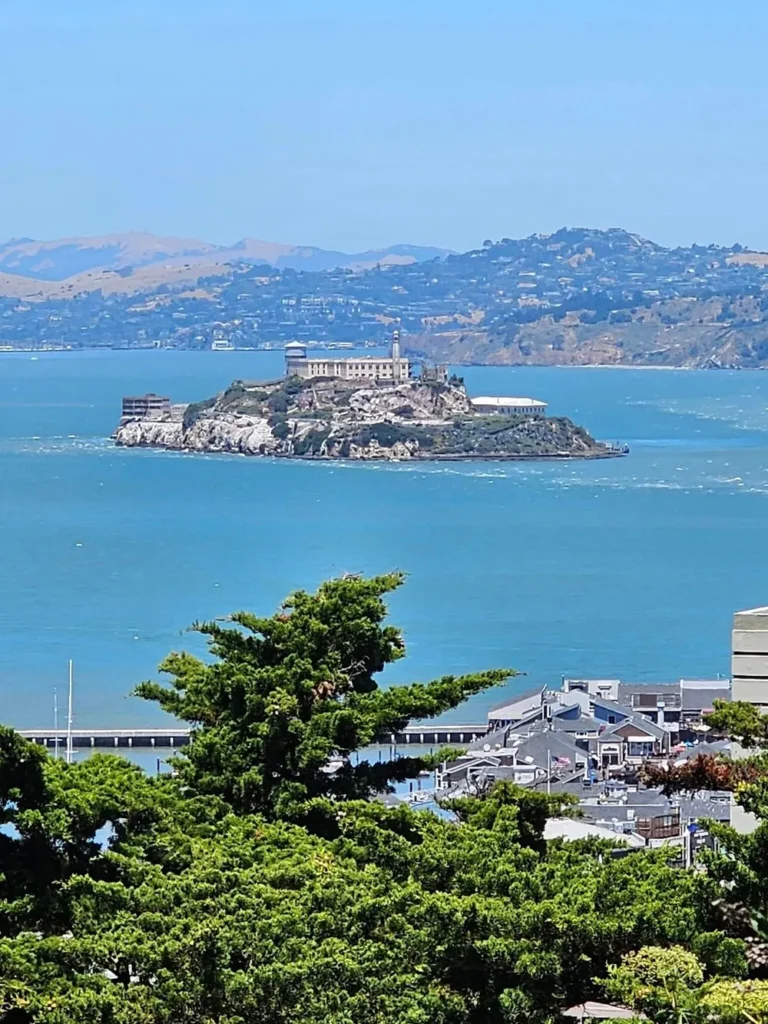
San Francisco offers several excellent viewpoints, but each provides a different experience. Twin Peaks is higher and reveals the city’s broader geography, while Coit Tower feels more closely connected to downtown, the waterfront, and the bay. The tower’s enclosed observation level also frames the scenery through architectural openings.
Coit Tower has another advantage over a viewpoint alone: its murals and history give the visit cultural depth. Visitors interested primarily in an expansive outdoor panorama may prefer Twin Peaks. Those who want public art, historic neighborhoods, and a classic landmark in a single outing may find Coit Tower more rewarding.
Why Stay at Cornell Hotel When Visiting Coit Tower?
Cornell Hotel is located at 715 Bush Street in Nob Hill, near Union Square and within reach of Chinatown, North Beach, and Telegraph Hill. Its position makes it relevant to travelers researching Coit Tower because a visit can be incorporated into a walk or transit-based day through several of central San Francisco’s best-known neighborhoods.
Built in 1910, the boutique hotel blends French-inspired design with the intimate atmosphere of a bed and breakfast. Its hallways display prints associated with artists including Matisse, Modigliani, Chagall, Gauguin, and Toulouse-Lautrec. That emphasis on character and art offers a fitting complement to a day spent exploring the historic frescoes at Coit Tower.
Compared with lodging directly around Fisherman’s Wharf, Cornell Hotel places guests closer to Union Square and the downtown core while still offering access to the northern waterfront attractions. Compared with a large convention-style property, it provides a more individual, historic environment. The best choice depends on whether your priority is being directly beside the waterfront or enjoying a centrally located boutique base with French-inspired personality.
Tips for a Better Coit Tower Visit
- Check official hours, ticket prices, elevator status, and transit alerts before leaving.
- Wear shoes suitable for steep streets and stairs.
- Bring a light layer, even when the day begins warm.
- Allow time for the murals instead of heading straight to the observation deck.
- Use the bus uphill and walk downhill if you want scenery with less exertion.
- Avoid relying on parking, particularly during weekends and holidays.
- Remember that food and beverages are not permitted inside the tower.
- Pair the visit with North Beach, Chinatown, or the Embarcadero to make efficient use of your day.
Make Coit Tower Part of Your San Francisco Stay
Coit Tower brings together many of the qualities that make San Francisco memorable: dramatic hills, bay views, public art, unconventional personalities, and neighborhoods best discovered on foot. Whether you climb the Filbert Street Steps, study the historic murals, or look across the water from the observation level, the landmark offers far more than a quick photo opportunity.
Make your visit easier by choosing a central, character-filled place to stay. Explore the rooms, current offers, and direct-booking options at Cornell Hotel, then reserve directly with the hotel for your San Francisco getaway.