Palace of Fine Arts in San Francisco: Hours, History and Travel Tips
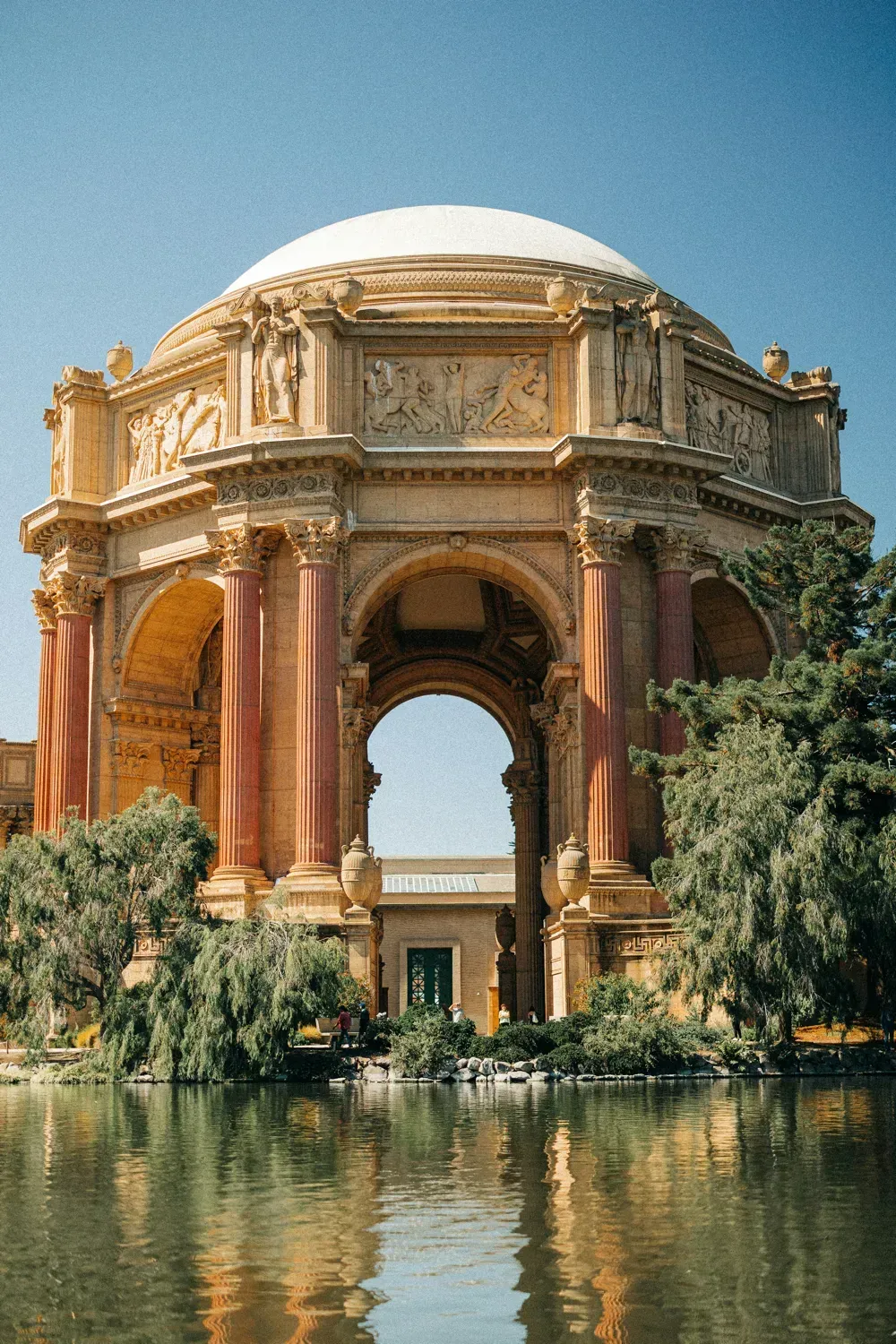
With its soaring rotunda, sweeping colonnades and peaceful lagoon, the Palace of Fine Arts is one of San Francisco’s most memorable landmarks. Visitors come to photograph its monumental architecture, stroll beside the water and combine the experience with nearby attractions such as Crissy Field, the Presidio and the Marina District.
One common misconception is worth clearing up before you visit: despite its name, the Palace of Fine Arts is not currently a traditional fine art museum. The outdoor monument and surrounding park are open to the public, while the neighboring theater hosts scheduled performances and private events. It should also not be confused with the Palace Hotel, which is a separate historic hotel in downtown San Francisco.
What Is the Palace of Fine Arts?
The Palace of Fine Arts was created for the 1915 Panama-Pacific International Exposition, an ambitious world’s fair that celebrated the completion of the Panama Canal and showcased San Francisco’s recovery after the earthquake and fire of 1906. Architect Bernard Maybeck designed the structure to resemble a romantic classical ruin rather than a conventional exhibition hall.
Most buildings from the exposition were temporary and disappeared after the fair. The Palace of Fine Arts was so admired, however, that San Franciscans campaigned to preserve it. Because the original materials were not intended to last, the monument eventually required extensive reconstruction using more durable materials. Today, the rotunda, curved colonnades and lagoon remain on the original site.
The result is an unusual combination of architecture and landscape. Corinthian columns frame open views of the sky, sculptural details invite a closer look, and reflections in the lagoon change with the light. It feels theatrical, yet the surrounding lawns and pathways make it equally suited to a relaxed neighborhood walk.
What to See and Do at the Palace of Fine Arts
Walk Beneath the Rotunda and Colonnades
The immense rotunda is the visual centerpiece of the Palace of Fine Arts. Walk beneath the dome to appreciate its scale, then follow the colonnades for changing views of the columns, lagoon and ornamental details. Looking upward reveals sculptural elements that are easy to miss from a distance.
The monument can be explored at an unhurried pace. A short visit may take around 30 minutes, while photographers and visitors planning to walk around the lagoon may want to allow an hour or longer.
Photograph the Palace of Fine Arts
The site is among the most photographed places in San Francisco. For a classic wide view, stand across the lagoon and use the water to capture the rotunda’s reflection. The colonnades also create natural frames for portraits and architectural compositions.
Morning often brings softer light and a calmer atmosphere. Late afternoon can add warmth to the stone-colored surfaces, although San Francisco fog may create an entirely different mood. Overcast skies can work particularly well for detailed photographs because they reduce harsh shadows.
The Palace is also a popular setting for engagement and wedding photography. Visitors should remember that ceremonies and professional activities may be taking place, and the public park generally remains open even when permitted events are scheduled.
Enjoy the Lagoon and Park Setting
The lagoon gives the landmark much of its serene character. Birds are frequently visible in and around the water, while benches, paths and grassy areas offer places to pause. Observe wildlife from a respectful distance and avoid feeding the birds.
The park is a pleasant choice for a quiet break between sightseeing stops. Pack a light layer even on sunny days: conditions can become cool and breezy quickly, especially when fog moves through the northern waterfront.
Check the Palace of Fine Arts Theatre Schedule
The Palace of Fine Arts Theatre is a functioning performance venue, but theater admission is separate from visiting the outdoor monument. Concerts, comedy, cultural programs and other ticketed events may be scheduled throughout the year. Check the venue’s official calendar if you would like to pair a daytime visit with an evening performance.
Palace of Fine Arts Hours, Admission and Practical Information
The landmark is located at 3601 Lyon Street in San Francisco’s Marina District. According to the San Francisco Recreation and Park Department, park hours are generally 5 a.m. to midnight. There is no entrance gate or general admission charge for walking through the outdoor park and viewing the rotunda and lagoon.
Theater performances, organized events and reserved spaces may have separate tickets or fees. Maintenance work, private events and temporary closures can also affect access to particular sections. Review the
Parking is available in the area but may be limited, especially during performances, weekends and major events. If you drive, read posted restrictions carefully and never leave luggage or valuables visible in a vehicle. Public transportation or a taxi or rideshare can be more convenient for visitors staying downtown.
What to Visit Near the Palace of Fine Arts
Crissy Field
Crissy Field is a natural companion to a Palace of Fine Arts visit. This restored waterfront landscape offers paths, picnic areas, beaches, marsh habitat and expansive views toward the Golden Gate Bridge. Walking conditions can be windy, so an extra layer is useful even when downtown feels warm.
The Presidio
The Palace of Fine Arts stands beside the Presidio, a former military post that is now part of the Golden Gate National Recreation Area. Presidio Tunnel Tops features lawns, scenic overlooks, family spaces and access toward the waterfront. Visitors with additional time can explore trails, historic sites and the Main Post.
Marina Green and Chestnut Street
Marina Green provides open waterfront views and space for walking, while Chestnut Street is a practical stop for cafés, restaurants and neighborhood shopping. Combining these areas with the Palace creates a varied half-day itinerary without requiring a return downtown between activities.
Golden Gate Bridge
The Golden Gate Bridge is farther west but fits naturally into a full day focused on northern San Francisco. Visitors can continue through the Presidio toward bridge viewpoints or use transit to reduce walking. Fog and wind can alter visibility quickly, so flexible timing is helpful.
A Suggested Half-Day Palace of Fine Arts Itinerary
Begin at the lagoon for a broad view of the rotunda, then walk beneath the dome and along both sides of the colonnade. After examining the architectural details, circle part or all of the lagoon and pause for photographs from the opposite bank.
Continue toward Crissy Field for a waterfront walk and Golden Gate Bridge views. If you are traveling with children, add Presidio Tunnel Tops; if dining and shopping appeal more, head toward Chestnut Street. Return downtown by Muni, taxi or rideshare, or stay in the area for a scheduled performance at the Palace of Fine Arts Theatre.
This route balances architecture, history, nature and neighborhood life. It can be shortened for travelers with limited time or expanded into a full day in the Presidio.
Frequently Asked Questions About the Palace of Fine Arts
Is the Palace of Fine Arts free?
The outdoor monument, lagoon and park can generally be visited without an admission ticket. Performances, private events and other programmed activities may require tickets or reservations.
Is there an art museum inside?
No. The name reflects the building’s original role at the 1915 exposition, where it housed art displays. Today, most visitors come for the outdoor architecture and park, while the adjacent theater presents scheduled events.
How much time should I allow?
Allow about 30 to 60 minutes for the monument and lagoon. Plan two to four hours if you also want to explore Crissy Field, Presidio Tunnel Tops or the Marina neighborhood.
When is the best time to visit?
Morning is appealing for a quieter walk and soft photography light. Late afternoon can also be beautiful. Weekends and event days may be busier, while weather and fog can change throughout the day.
Can I visit the Palace of Fine Arts and Golden Gate Bridge together?
Yes. Both are in northern San Francisco, and Crissy Field and the Presidio connect the broader area. The total amount of walking can be substantial, so consider combining walking with Muni or another transportation option.
Make Cornell Hotel Your San Francisco Home Base
Built in 1910, the hotel blends French-inspired character with the atmosphere of a boutique bed-and-breakfast. Its hallways feature prints by artists including Matisse, Chagall, Gauguin, Modigliani and Toulouse-Lautrec—an especially fitting setting for travelers drawn to the Palace of Fine Arts for its design and artistic spirit.
Cornell Hotel is relevant to Palace of Fine Arts visitors because it offers a distinctive downtown base rather than a generic stay beside a single attraction. Guests can travel to the Marina for the Palace and Presidio, then return to a location near Union Square, Chinatown, Nob Hill dining and central transit connections.
The Palace of Fine Arts deserves more than a quick photograph. Its extraordinary architecture, reflective lagoon and location beside the Presidio make it an ideal starting point for discovering San Francisco’s northern waterfront. Staying at Cornell Hotel lets you pair that experience with the restaurants, shops, galleries and transit connections of Union Square and Lower Nob Hill.
For French-inspired character, individually decorated accommodations and complimentary breakfast in the heart of San Francisco,
A Perfect Day in Golden Gate Park: Attractions, Tips and Transportation
Discover Coit Tower: Plan the Ultimate Telegraph Hill Adventure