Explore the Golden Gate Bridge: A Complete Guide for San Francisco Visitors
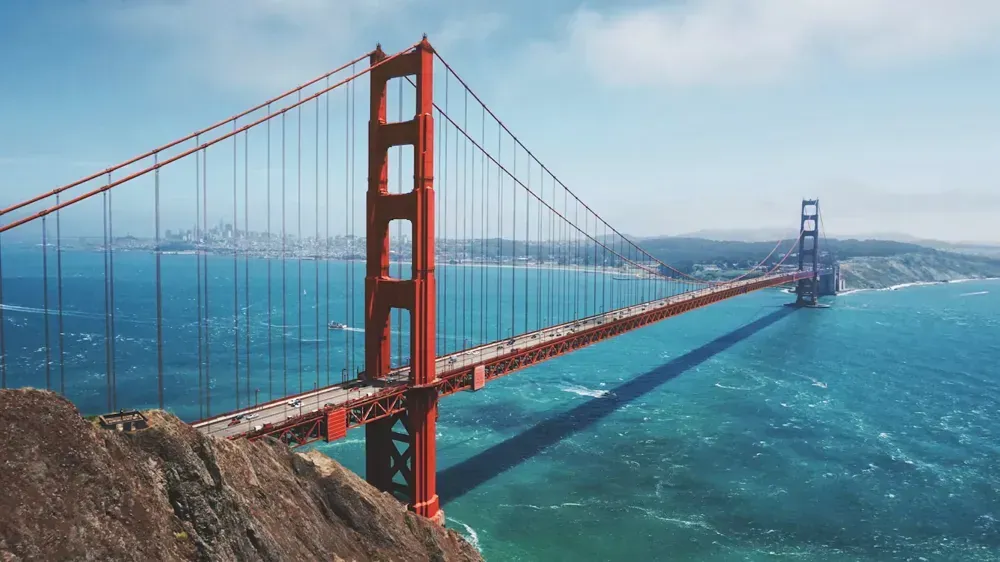
The Golden Gate Bridge is more than a way to cross San Francisco Bay. With its soaring towers, International Orange color and dramatic setting between the Pacific Ocean and the Marin Headlands, it is one of the most memorable sights in California. Visitors can walk across the span, photograph it from historic overlooks, explore the Presidio or turn the experience into a full day of waterfront sightseeing.
Why Visit the Golden Gate Bridge?
Completed in 1937, the Golden Gate Bridge connects San Francisco with Marin County across the strait known as the Golden Gate. One common misconception is that the bridge received its name from its color. In fact, the strait was called the Golden Gate before the bridge was built. The structure’s recognizable International Orange finish was chosen in part to complement the surrounding landscape and improve visibility.
The experience changes with the weather. On a clear morning, visitors may see the city skyline, Alcatraz Island, San Francisco Bay and the Marin Headlands. When fog moves through the towers, the bridge takes on an entirely different character. Neither view is guaranteed, which is part of what makes each visit distinctive.
You do not need to cross the entire bridge to appreciate it. The southern visitor area offers exhibits, services and viewpoints, while nearby trails lead to several different perspectives. Travelers with more time can walk or cycle across to Marin County and enjoy views back toward San Francisco.
Best Ways to Experience the Golden Gate Bridge
Walk Across the Bridge
Walking is one of the best ways to appreciate the bridge’s scale. Pedestrians use the east sidewalk, facing San Francisco and the bay. A complete one-way crossing is approximately 1.7 miles, so a round trip requires considerably more time and energy than a short viewpoint visit.
Pedestrian access hours vary by season and can be affected by construction or operating conditions. Check the
Start at the Golden Gate Bridge Welcome Center
The Welcome Center at the southeast end is a useful first stop. It features historical information, exhibits and souvenirs, including a stainless-steel test tower used during the bridge’s development. Accessible restrooms and several viewing areas are located nearby.
Hours can change on holidays or because of special conditions, so verify them through the
Photograph the Bridge from Multiple Viewpoints
The classic photograph from the south side can be captured around the visitor plaza and Battery East. The Golden Gate Overlook frames the towers from a higher position, while Crissy Field offers a lower waterfront view with beaches and open space in the foreground.
For a close look at the bridge’s engineering and historic setting, visit Fort Point beneath the southern approach. Across the span, Vista Point offers a broad view toward San Francisco. The Marin Headlands contain additional overlooks, but reaching them typically requires more planning because road access, parking and transit are limited.
When Is the Best Time to Visit the Golden Gate Bridge?
Early morning often brings lighter crowds, cooler temperatures and soft light. Late afternoon can be beautiful as the sun lowers toward the Pacific, although west-facing photography may involve strong backlighting. Sunset is dramatic from selected overlooks, but visitors should check sidewalk closing times and arrange transportation back in advance.
San Francisco weather can change quickly. A warm, sunny afternoon downtown does not guarantee similar conditions at the bridge, where wind and fog are common. Bring layers, including a wind-resistant outer garment. Comfortable walking shoes are worthwhile even if your plan includes only the Welcome Center and nearby viewpoints.
Fog is especially common during the cooler summer pattern for which San Francisco is known. If bridge visibility matters to you, check a live weather report or webcam before departing. Travelers staying for several nights may wish to keep the timing flexible and visit when conditions look favorable.
Build a Half-Day Golden Gate Bridge Itinerary
For an efficient half-day visit, first travel to the southern visitor area. Spend time at the Welcome Center, photograph the bridge from Battery East and walk onto the span. You can turn around after the first tower if you want the experience without completing a full crossing.
Afterward, follow the surrounding paths toward the Presidio or Crissy Field. Depending on your pace, this plan can fit into three to four hours while still leaving time for Union Square, Chinatown or an evening meal near the hotel.
Plan a Full Day Around the Golden Gate Bridge
A full-day itinerary allows you to combine the landmark with the Presidio’s natural scenery and historic sites. Begin at the Welcome Center, walk part or all of the bridge and then explore Battery East, the Presidio trails or Fort Point. Continue toward Crissy Field for bay views and a relaxed waterfront walk.
Energetic cyclists can rent bicycles in the city before arriving at the bridge, cross into Marin County and continue toward Sausalito. However, hills, wind, traffic and return logistics should be considered. Bicycle sidewalk assignments also vary according to the time and day.
Another option is to cross by bus or rideshare, spend time in Sausalito and return by ferry when the schedule suits your itinerary.
Why Stay at Cornell Hotel for a Golden Gate Bridge Trip?
Cornell Hotel offers an intimate alternative to a large waterfront or convention hotel. Built in 1910, the property combines French-inspired design with individually decorated rooms and fine-art prints associated with artists such as Matisse, Chagall, Gauguin, Modigliani and Toulouse-Lautrec.
The hotel’s greatest advantage for a Golden Gate Bridge vacation is balance. A property beside the Presidio may be better for travelers focused almost exclusively on trails and waterfront scenery. Cornell Hotel is particularly well suited to visitors who want the bridge alongside Union Square, Nob Hill, Chinatown, cable cars, restaurants and downtown attractions.
Golden Gate Bridge Visit Checklist
- Check the current weather, fog and wind conditions.
- Confirm pedestrian or bicycle sidewalk hours.
- Review transit schedules before leaving downtown.
- Dress in layers and wear comfortable walking shoes.
- Bring water, but keep your load light for the crossing.
- Allow extra time if visiting on a weekend or holiday.
- Do not leave luggage or valuables inside a parked vehicle.
- Choose a return plan before walking all the way to Marin County.
Make Cornell Hotel Your San Francisco Home Base
The Golden Gate Bridge deserves a prominent place in any San Francisco itinerary, but it is only one part of the city’s appeal. From Cornell Hotel, you can spend the morning above the Golden Gate strait, return to explore Chinatown or Union Square and finish the day surrounded by the character of historic Nob Hill.
For a central location, French-inspired atmosphere, distinctive décor and a hot breakfast before a day of sightseeing, consider Cornell Hotel for your San Francisco stay.
Things to Do at Pier 39: Attractions, Dining, and Travel Tips
Explore Lombard Street: Cable Cars, Famous Curves, and Nearby Attractions